
Choosing a skin-tightening treatment in Korea is easier when you begin with the change you want, rather than a device name. A softer jawline, loose skin, facial fullness, and loss of volume can look similar in photographs but lead to different conversations at consultation. Ultherapy PRIME, ONDA, and Thermage FLX use different technologies. None can be selected responsibly from a treatment menu alone.
For Americans considering NOWMEDI Clinic in Jeju, the practical question is which approach fits their anatomy, expectations, and time for follow-up. This guide explains the distinctions, how to compare a proposed plan, and what to confirm before booking travel. It does not establish your eligibility or promise a particular degree of lifting.
The quick answer: what is the difference?
Ultherapy PRIME uses focused ultrasound. ONDA uses microwave energy. Thermage FLX uses radiofrequency. Their energy sources, handpieces, treatment plans, and intended tissue targets differ. They should not be grouped together as interchangeable “lifting lasers,” because that description obscures meaningful differences.
Our treatment options include Ultherapy PRIME and ONDA. Please contact us to confirm Thermage FLX availability before booking. When discussing any device, ask about the model, handpiece or tip, treatment area, and proposed approach. These details help you understand which treatment is being recommended for you and how it fits your goals.
The useful comparison is the exact treatment your physician proposes: area, purpose, technique, limitations, risks, price, and review plan. A brand comparison is only the beginning.
| Treatment | Technology | Clinic information |
|---|---|---|
| Ultherapy PRIME | Focused ultrasound | Listed as in use; clinical assessment required. |
| ONDA | Microwave energy | Listed as in use; confirm model and treatment plan. |
| Thermage FLX | Radiofrequency | Current operation must be confirmed directly. |
First distinguish laxity, fullness, and volume loss
Before discussing energy settings, explain what you notice in ordinary life. Is a contour less defined? Does the skin look loose? Is an area already hollow? Are you concerned primarily about texture rather than shape? Bring photographs if they help communicate your preferences, but ask the physician to assess you in person.
These distinctions matter because your desired result may not match the advertised purpose of a treatment. Someone seeking a sharper contour may also want to preserve facial fullness. Another person may interpret a shadow as loose skin when the issue needs a different assessment. Ask usian to explain the problem they are treating before explaining the device.
A useful consultation ends with a shared description of the goal. “Improve this area while preserving this feature” is more informative than “give me the strongest lifting treatment.”
What to understand about Ultherapy PRIME
Ultherapy PRIME combines focused ultrasound with imaging that helps the practitioner visualize tissue. Ask how imaging informs your plan, which areas and depths are included, and why the approach suits your anatomy. We offer several shot-count options; your physician can explain the recommended count, while a count alone does not predict the result. [1]
Ask the physician to connect the proposed quantity to a treatment map. If two quotations have different counts, establish whether they cover the same area and use the same approach before comparing them. A larger package is not automatically a more appropriate package. [1]
The manufacturer lists redness, swelling, pain, and transient nerve effects among reported side effects. Discuss the complete device-specific risk profile with your clinician, including your previous procedures, implants, and any altered sensation. Read the clinic’s Ultherapy PRIME treatment guide before your consultation. [1]
What to understand about ONDA
DEKA describes ONDA as a microwave-based platform with handpieces designed for different applications. We offer ONDA for selected facial firmness, contour, and body-contouring concerns. Please confirm the model and handpieces available for your proposed treatment, and discuss the intended goal and area with your physician. [2]
Ask whether the proposed treatment is intended to address laxity, localized fullness, or a combination. If you are concerned about looking hollow, make that preference explicit. Discuss the actual area and the reason for selecting a particular handpiece rather than treating “ONDA lifting” as a complete procedure description. [2]
Request separate explanations if face and body treatments are combined in one quotation. Their goals, treatment boundaries, and follow-up questions may differ. Ask how discomfort will be monitored and what symptoms need review. The ONDA guide provides additional questions for this discussion. [2]

What to confirm about Thermage FLX
Thermage FLX is a radiofrequency platform. It should not be confused with RF microneedling, which involves a different technique. If the clinic confirms that Thermage is operating, ask which treatment area, tip, and plan are proposed, who performs the procedure, and what follow-up is included. [3]
The availability distinction matters when you are travelling from Singapore. Advance approval to describe a planned service is not the same as a confirmed appointment for that service. Do not commit to flights specifically for Thermage until the clinic has confirmed both availability and the consultation arrangements. [3]
Ask for the same clinical explanation you would request for any other option: why it fits your concern, how much change is realistic, and what alternatives exist. Review the Thermage FLX availability page to learn more and contact us about availability. [3]
Compare plans using the same questions
A fair comparison begins with the same concern and treatment area. Ask what each option is intended to improve, what it is unlikely to change, how the physician assesses suitability, and when the outcome should be reviewed. These answers are more useful than a universal ranking of devices.
Then compare the practical plan. Does the quotation include consultation, preparation, comfort measures, the complete treatment area, and a review? Is another session merely possible, or is a series part of the recommendation? What would happen if your examination changes the original proposal?
Finally, ask what would make the physician recommend no treatment or a different approach. An explanation of limitations helps you judge whether the expected benefit is proportionate to the price and inconvenience. A treatment can be available and still be a poor match for your priorities.
Comfort, safety, and the information to disclose
Tell usian about prior fillers, threads, surgery, energy-based procedures, implanted devices, medication use, allergies, skin conditions, and previous complications. If you do not know the name of a past product, say so. Uncertain history should be acknowledged rather than replaced with an estimate.
Ask how discomfort is managed, how you can request a pause, and who is responsible for monitoring your response. “Non-surgical” does not mean risk-free. Ask about burns, changes in sensation, unwanted contour changes, and other risks relevant to the exact device and area.
This is not a complete contraindication checklist. The treating clinician needs to use the appropriate device instructions and your medical history. A website cannot determine whether an implanted device, medication, or previous procedure rules a treatment in or out for you.
Plan around four different timelines
When asking about downtime, separate treatment duration, visible recovery, return to normal activities, and the time needed to assess the outcome. Those are different questions. A short appointment does not establish that you can immediately resume every activity or that the final result will be visible before your flight home.
Explain your arrival date, departure date, sightseeing plans, work obligations, and any event where your appearance matters. Ask whether the proposed schedule leaves enough time for review and what should happen if you need more time. Avoid placing an important event immediately after treatment without discussing that constraint.
For patients from Singapore, also consider how progress will be assessed after leaving Korea. Confirm whether photographs or remote contact are useful, when an examination is required, and who can provide local care if necessary.
Understand the quote before comparing value
Ultrasound shot counts, microwave energy amounts, and radiofrequency treatment packages are not interchangeable units of value. You cannot reliably compare them by selecting the largest number for the lowest price. Ask what is being delivered, to which area, and why that plan is recommended.
We apply the same VAT-inclusive pricing to local and international patients. Request a current written quote in Korean won for the exact treatment and area. Include consultation, aftercare, accommodation, transport, and any follow-up costs when deciding whether your overall plan works for you.
Ask which items are optional, how a changed plan affects the price, and whether follow-up is included. Your total decision also involves travel, accommodation, and time away from work. The pricing guide explains how to compare complete quotations.
Evaluate results without relying on a promise
Before-and-after examples are most informative when you know the treatment, timing, starting concern, and whether other procedures were performed. Ask whether the lighting and positioning are comparable. A result achieved with several treatments should not be presented as proof of what one device will do alone.
Explain the degree of change you would consider worthwhile. If you expect a dramatic surgical result, ask the physician whether a non-surgical option can realistically meet that expectation. A subtle improvement may be valuable to one patient and disappointing to another.
Do not treat a premium device name as a guarantee. Agree on when to evaluate the outcome and what the next discussion would involve if the change is less than you hoped. Additional treatment should remain a clinical decision, not an automatic response to disappointment.
Frequently asked questions
Which treatment is best for a jawline?
There is no universal winner. The physician should assess why the contour looks different and whether the goal concerns skin laxity, fullness, volume, or another factor. Ask for the reasoning behind the recommendation rather than a ranking based on popularity.
Can I combine two lifting treatments during one trip?
Only after the clinician assesses the specific combination, timing, cumulative risks, and recovery. Convenience is not sufficient reason to combine procedures. Ask what each treatment adds and whether staging them would make the result easier to assess.
Does more energy mean a better result?
No result can be inferred from a larger number alone. Settings and quantities must be appropriate for the device, area, anatomy, and treatment purpose. Ask why the proposed plan is suitable rather than requesting the maximum available intensity.
How do I start a consultation from Singapore?
Use the international inquiry page to describe your concern, approximate dates, and need for English support. Ask which physician will assess you, whether your preferred service is available, and how long to allow for review. An inquiry does not confirm a treatment booking.
Sources & clinic information
- Ultherapy: device instructions and safety information ↗
- DEKA: ONDA technology ↗
- Thermage: manufacturer information ↗
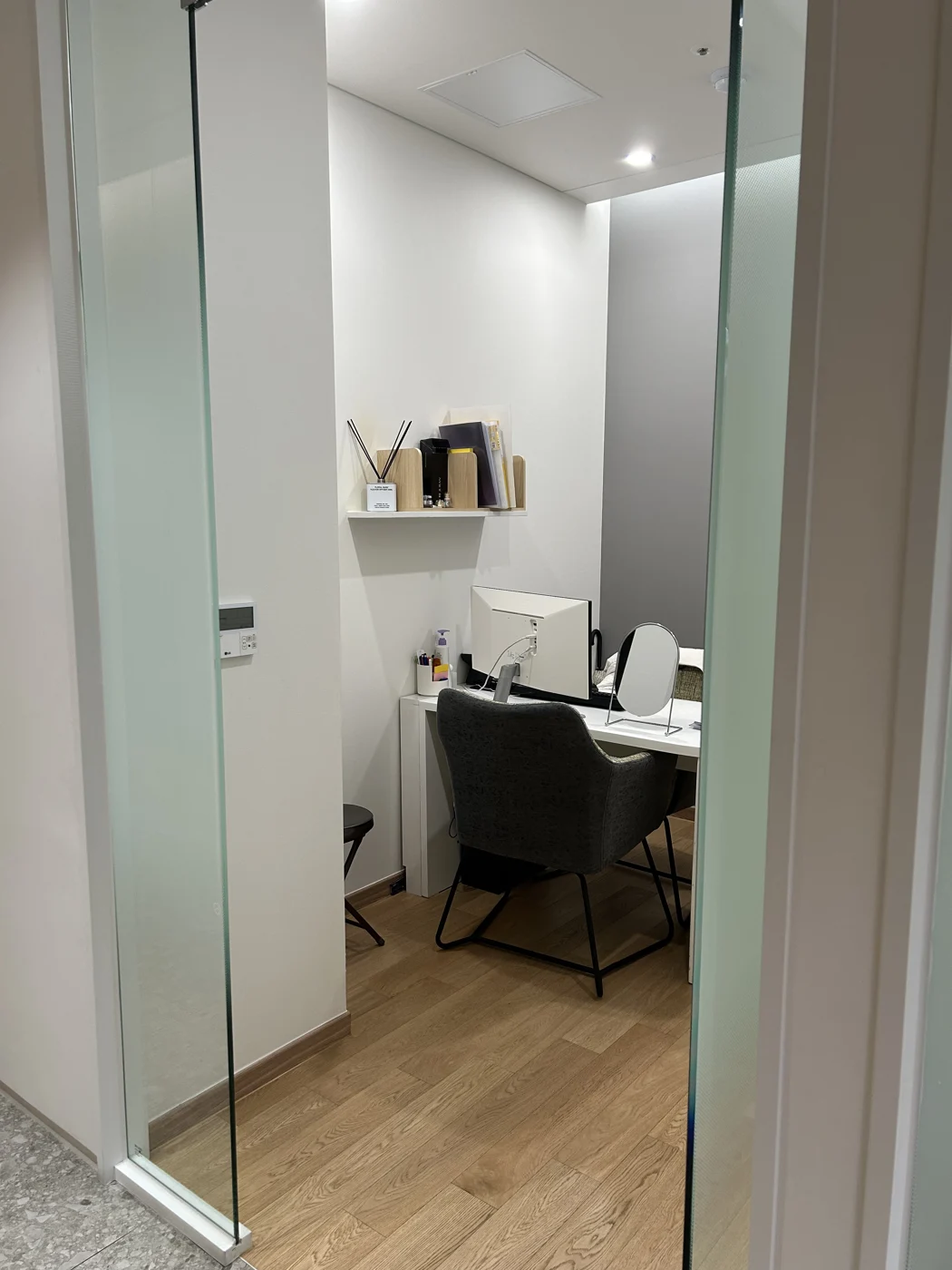
This guide is part of our patient information resources. Photographs of our clinic show the setting for your visit. Additional illustrative images are licensed from Pexels and credited individually; these stock photographs do not depict our patients, staff, facilities, or treatment results.
Use this guide to prepare for your consultation. Your physician will assess your needs and discuss suitability, risks, alternatives, and follow-up. Please confirm availability, pricing, and your individual care plan with our team before booking. Read the content policy.